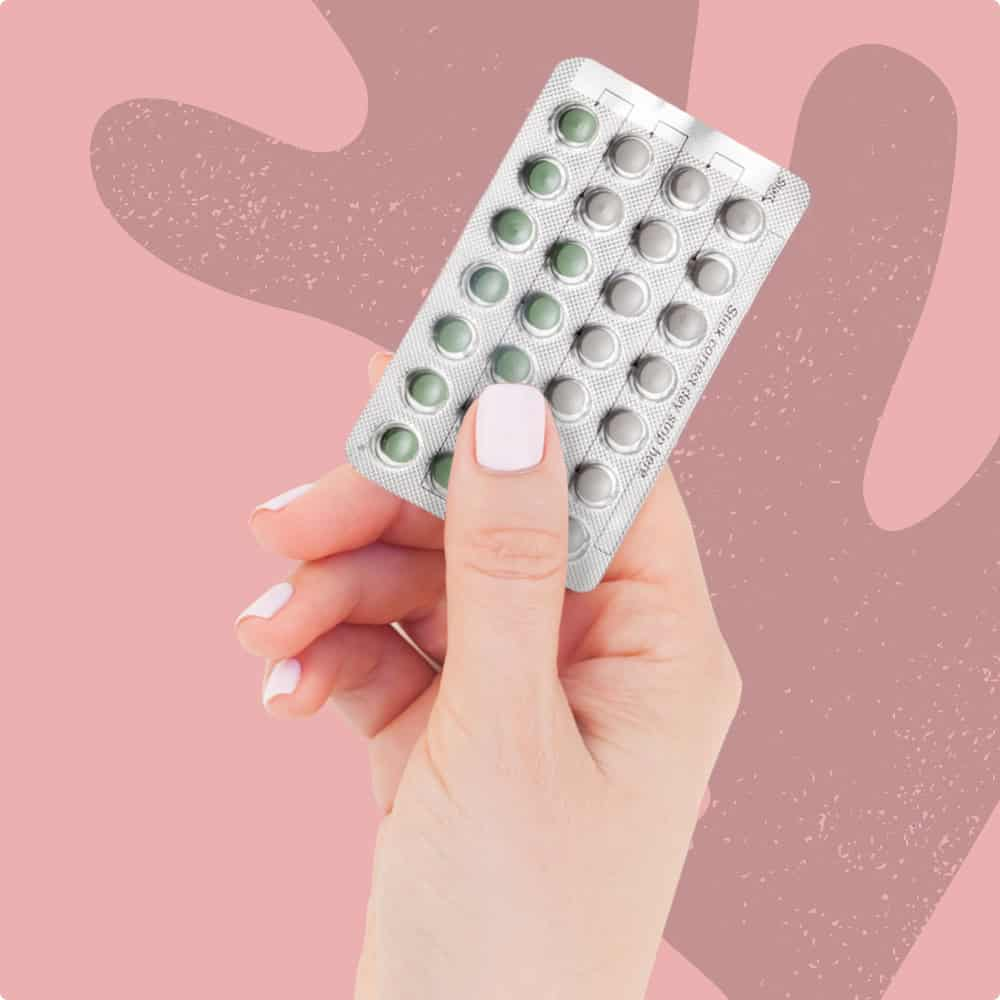

Relief from vasomotor symptoms (hot flashes and night sweats): Ethinyl Estradiol and Norethindrone can help reduce the frequency and severity of hot flashes and night sweats, which are common symptoms of menopause.

Improved vaginal health: Ethinyl Estradiol and Norethindrone can help alleviate vaginal dryness, itching, and discomfort, making sexual intercourse more comfortable.

Prevention of bone loss: Ethinyl Estradiol and Norethindrone can help slow down or prevent bone loss, reducing the risk of postmenopausal osteoporosis and fractures associated with menopause.

Improved mood and well-being: Ethinyl Estradiol and Norethindrone may help improve mood swings, irritability, and anxiety that can occur during menopause.

Protection against heart disease: Ethinyl Estradiol and Norethindrone may provide some protection against heart disease, especially if initiated early after menopause but these benefits are, as yet, unproven.
To start hormone replacement therapy using Norethindrone Acetate and Ethinyl Estradiol, it is essential to first consult with a healthcare provider who can evaluate your specific needs and medical history. They will determine if this treatment is suitable for you and provide a prescription with the recommended dosage. Follow the instructions provided by your doctor or health care provider and take the medication at the same time each day to maintain a consistent hormone level in your body.
Norethindrone Acetate and Ethinyl Estradiol can be taken with or without food. Remember to swallow the tablet whole with a glass of water and avoid crushing, chewing, or breaking it. If you happen to miss a dose, take it as soon as you remember, but if it is close to your next dose, skip the missed one and continue with your regular dosing schedule. Do not take a double dose to make up for a missed one.
Regular check-ups with your healthcare provider are essential to monitor your progress and make any necessary adjustments to the treatment. It is important to note that Norethindrone Acetate and Ethinyl Estradiol is typically used for short-term hormonal replacement therapy. If you require long-term treatment, your healthcare provider may consider alternative options. Always remember to follow your healthcare provider’s instructions and seek their guidance throughout the treatment process.
Norethindrone Acetate and Ethinyl Estradiol are the active ingredients in various combination oral contraceptives, commonly known as birth control pills. However, Norethindrone Acetate and Ethinyl Estradiol can also be used as part of menopausal hormone therapy.
In this context, ethinyl estradiol, a synthetic form of estrogen, helps alleviate menopausal symptoms by replacing the declining levels of natural estrogen in the body. Norethindrone, a synthetic form of progesterone, is added to protect the uterus lining from the potential risks of estrogen therapy alone. Together, they provide relief from menopausal symptoms and support overall hormonal balance.
There are certain contraindications or situations where the use of Ethinyl Estradiol and Norethindrone may not be recommended.
It is important to note that these are general contraindications, and individual patient factors and medical history should be considered when determining the appropriateness of using ethinyl estradiol and norethindrone. It is always recommended to consult with a healthcare professional for personalized advice.
Buy Now

Care That Fits Your Life
Get your medications delivered discreetly and on time

Affordable and Transparent
Whether you use insurance or pay cash, you’ll always know your costs upfront. No surprises—just fair pricing and free delivery.

Your Health, Our Priority
We treat every prescription as personal. Our doctor-led team and dedicated pharmacists ensure your medications are safe, effective, and tailored to your health needs.
This combination pill is primarily used as a form of menopausal hormone therapy (MHT), also known as hormonal replacement therapy (HRT), for women who have reached menopause. Menopausal hormone therapy aims to alleviate symptoms of menopause (such as hot flashes, night sweets, mood changes, or vaginal dryness) by providing the body with the hormones it lacks.
Estrogen is responsible for maintaining the health of various tissues in the body, including the vaginal lining, bones, and blood vessels. It also helps regulate body temperature and mood. Progesterone, on the other hand, impacts the uterine lining, prepares the uterus for pregnancy and plays a role in maintaining a regular menstrual cycle.
Ethinyl estradiol and norethindrone is available in different strengths and formulations, allowing healthcare providers to tailor the treatment to each individual’s needs.
It is important to note that hormonal replacement therapy, including the use of ethinyl estradiol and norethindrone, should only be initiated and monitored by a healthcare professional. They will consider factors such as a woman’s medical history, current health status, and individual symptoms before recommending this treatment option.
There are no research studies that show Norethindrone Acetate and Ethinyl Estradiol as a cause of weight gain. However, some women might experience water retention when using Norethindrone Acetate and Ethinyl Estradiol. If you are concerned about your weight, talk with a doctor to review your treatment plan.
The combination of estradiol and norethindrone is prescribed to alleviate moderate to severe menopausal symptoms such as hot flashes, vaginal problems, and sudden sweating. Additionally, this medication is utilized to prevent osteoporosis following menopause.