

<h2>How to Use Loestrin 1/20</h2>
Loestrin 1/20 is super easy to use.
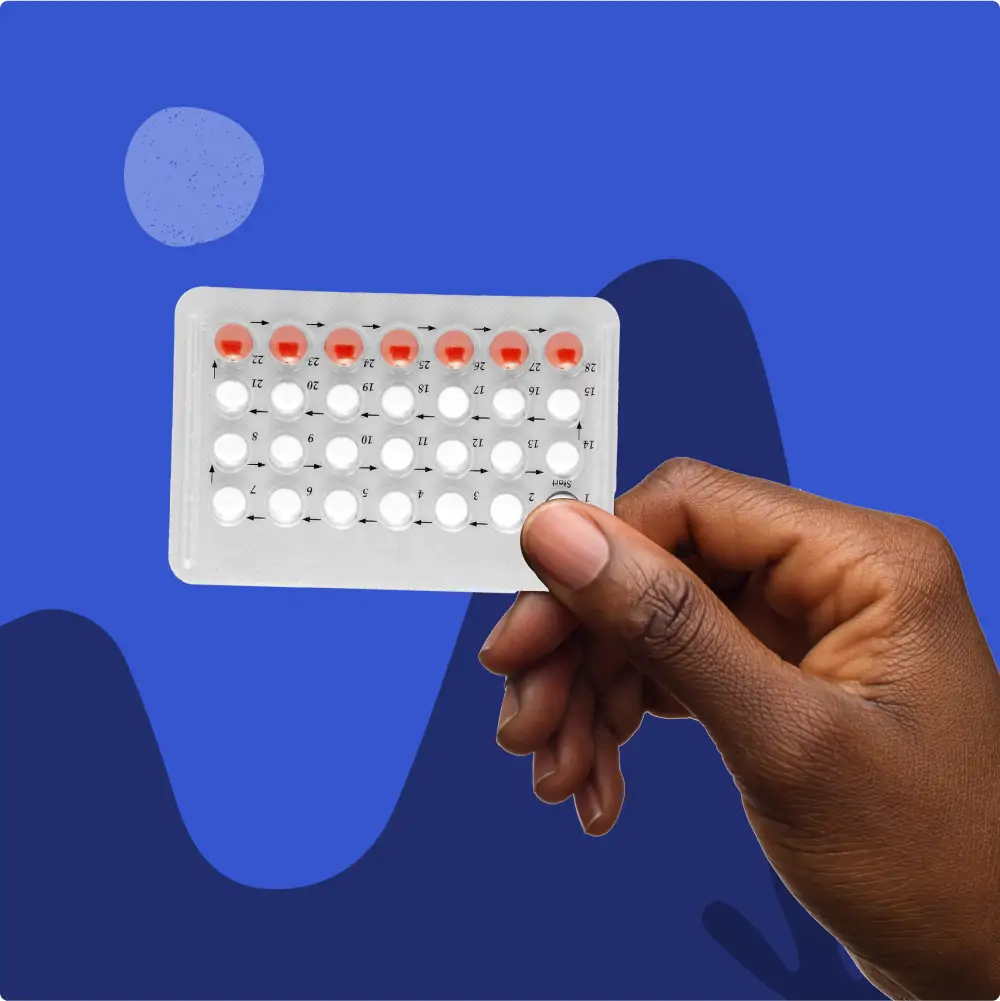
Simply take one pill every day, at the same time each day. Most women find that taking Loestrin 1/20 before bedtime or with your largest meal of the day helps reduce nausea and other side effects. It is recommended to take your first active pill the first Sunday after your period begins.
After taking 21 days of active pills, you’ll switch to 7 inactive pills. These are reminder pills with no hormones that exist to keep you in the habit of taking your pill every day. These 7 tablets do have ferrous fumarate to prevent anemia from the blood loss with monthly bleeds.
If you do miss one active pill , take two pills as soon as you remember. Then, continue to take one active pill for the rest of the pill pack. If you miss two active pills in a row take two pills per day for two days. However, if you miss three active pills in a row, do not take the missed pills. Instead you should use a backup contraception method for at least 7 days. Note that you may experience some breakthrough bleeding or spotting if you miss three pills in a row.
Remember that Loestrin 1/20 and other hormone based birth control cannot be used to prevent HIV infection or other sexually transmitted diseases. In order to prevent STDs, always use condoms when having sexual intercourse.
<h2>Loestrin 1/20 Dosage</h2>
Loestrin 1/20 uses a combination of two hormones estrogen (Ethinyl Estradiol, 0.02 mg) and progestin (Norgestimate Acetate 1mg) to make your body think it’s pregnant in order to prevent a real pregnancy.
<h2>Loestrin 1/20 Side Effects</h2>
The risks are very low, but some women have experienced unwanted side effects when taking Loestrin 1/20.
Minor ones include breast tenderness, headaches, nausea, and slightly elevated blood pressure or <a href=”https://obgyn.coloradowomenshealth.com/health-info/birth-control/medical-conditions-birth-control/diabetes”>blood sugar levels</a>. Women who are breastfeeding should not take Loestrin 1/20 because it may decrease breast milk production.
Positive side effects are also a possibility, too — reduced acne, lighter bleeds, and fewer <a href=”https://www.pandiahealth.com/resources/mood-swings-hormones-birth-control-what-to-know/”>mood swings</a> are fairly common.
The chances of serious side effects are extremely unlikely, but some cases have been documented, such as blood clots in the head (a severe new headache, causing double vision, or stroke), blood clots in the chest causing severe shortness of breath, <a href=”https://www.pandiahealth.com/resources/birth-control-blood-clots/”>blood clots</a> in the abdomen (causing abdominal pain), blood clots in the leg causing leg swelling and pain.
These may sound scary, but remember — they’re very rare. The risk is about 3-6 women out of 10,000 per year using the medication might get a blood clot.
<h2>Loestrin 1/20 Warnings</h2>
Do NOT take this medication if:
<ul>
<li>You currently have or have had any of these health problems: blood clots, blood clotting problem, breast cancer, uterine cancer, heart attack, stroke, heart disease, chest pain, high blood pressure, liver disease, liver tumor, migraine with aura, or diabetes with neuropathy or any diabetic complications</li>
<li>You are allergic to ethinyl estradiol</li>
<li>You are taking ombitasvir, paritaprevir, and ritonavir (with or without dasabuvir)</li>
<li>You are pregnant or may be pregnant</li>
<li>You are breastfeeding or plan to breastfeed</li>
</ul>


Care That Fits Your Life
Get your medications delivered discreetly and on time

Affordable and Transparent
Whether you use insurance or pay cash, you’ll always know your costs upfront. No surprises—just fair pricing and free delivery.

Your Health, Our Priority
We treat every prescription as personal. Our doctor-led team and dedicated pharmacists ensure your medications are safe, effective, and tailored to your health needs.
Loestrin 1/20 is a combination oral contraceptive pill (OCP, birth control medication, birth control pills) that works to prevent pregnancy by preventing the release of an egg (ovulation), and thickening the cervical mucus, blocking sperm from getting into the uterus and getting to the egg. Loestrin 1/20 is also prescribed to: treat acne, reduce the risk of ovarian cysts (as in polycystic ovarian syndrome [PCOS]), treat painful or heavy periods, and more.
If you have high blood pressure, take blood pressure medications, or have severe migraine headaches: this medication, and other combination oral contraceptives are NOT for you as there is increased risk of blood clots or heart attack. Instead, Pandia Heath Medical group’s doctors recommend other birth control methods such as progestin-only pill (POPs), IUD with hormone (Mirena, Liletta, Kyleena, Skyla), implant (nexplanon), the birth control shot (depo-provera), or condoms and spermicide.
<span style=”font-weight: 400;”>There is no direct link between Loestrin 1/20 and weight gain. Some women experience changes in their appetite that may lead to weight gain while taking Loestrin 1/20. Others may find that their bodies retain more fluid while taking Loestrin 1/20, even though they actually don’t gain any body fat.</span>
<span style=”font-weight: 400;”>One of our Patient Care Advisors or licensed physicians will always review the medications and supplements you’re currently taking before prescribing Loestrin 1/20. Certain drugs (recreational, over-the-counter, or prescription) can interact with Loestrin 1/20 and make it less effective at preventing pregnancy. Drugs that may interact with Loestrin 1/20 include HIV drugs, anti-seizure drugs, antibiotics, and even herbal supplements like St. John’s wort.</span>
<span style=”font-weight: 400;”>Women who have high blood pressure or take medications to control blood pressure should not take Loestrin 1/20. Our Pandia Health medical team recommends other options including progestin-only pill (POPs), IUDs with hormone (Mirena, Liletta, Kyleena, Skyla), copper IUDs, implants (nexplanon), the birth control shot (depo-provera), or condoms and spermicide.</span>
<span style=”font-weight: 400;”>If you choose to pay out-of-pocket, </span><span style=”font-weight: 400;”>Loestrin 1/20</span> <span style=”font-weight: 400;”>is a pretty affordable birth control pill, being $20 per pack. You can also save money by choosing any other </span><span style=”font-weight: 400;”>Loestrin 1/20 </span><span style=”font-weight: 400;”>generic equivalent such as Larin 1/20, Junel 1/20, or Gildess 1/20 for $20 per pack or $0 with insurance. Generics have the SAME active ingredients and dosage as the name brand. Watch our video explaining </span><a href=”https://youtu.be/SOG-8GPryfA”><span style=”font-weight: 400;”>generics vs. brand birth control pills</span></a><span style=”font-weight: 400;”>.</span>
<span style=”font-weight: 400;”>If you choose to pay out-of-pocket, Loestrin 1/20 is a pretty affordable birth control pill, being $20 per pack. You can also save money by choosing any other Loestrin 1/20 generic equivalent such as Larin 1/20, Junel 1/20, or Gildess 1/20 for $20 per pack or $0 with insurance. Generics have the SAME active ingredients and dosage as the name brand. Watch our video explaining </span><a href=”https://youtu.be/SOG-8GPryfA”><span style=”font-weight: 400;”>generics vs. brand birth control pills</span></a><span style=”font-weight: 400;”>.</span>
<span style=”font-weight: 400;”>You shouldn’t smoke anyway, but especially not if you take estrogen containing birth control pills like Loestrin 1/20. Smoking increases the risk of serious side effects like blood clots, especially in women who are older than 35.</span>
<span style=”font-weight: 400;”>Don’t take Loestrin 1/20 if you’re allergic to any of its ingredients. Signs and symptoms of an allergic reaction to Loestrin 1/20 are rare and usually very mild and may include itching, hives, or dizziness. Serious allergic reactions to Loestrin 1/20 can occur in very rare cases. Stop taking Loestrin 1/20 and call 911 immediately if you experience swelling in the lips, mouth, or tongue, or if you have a hard time breathing.</span>
<span style=”font-weight: 400;”> Loestrin 1/20 and other forms of hormonal birth control isn’t for everyone. Women with a family history of certain medical conditions like heart disease, high blood pressure, kidney disease, liver cancer, or severe migraines should not take Loestrin 1/20. Our Pandia Health Care Advisors are standing by to help you figure out the best birth control method given your health history.</span>
It’s easy to get Loestrin 1/20 at just about any pharmacy near you with a doctor’s prescription. Concerned about your privacy? Our doctor-founded, doctor-led team at Pandia Health is happy to help you get Loestrin 1/20 or any other birth control you need, discreetly and conveniently.
If you don’t have insurance, don’t worry! Pandia Health has a range of payment options.
<span style=”font-weight: 400;”>It’s not true that Loestrin 1/20 causes infertility. If you’re taking Loestrin 1/20 and want to have a baby, talk to your doctor and then stop taking the medication. Normal fertility should return within one or two menstrual cycles after your last pill. Dr. Yen explains more about birth control and infertility in this </span><a href=”https://youtube.com/watch?v=Q3pNKOXgs1w&t=23s”><span style=”font-weight: 400;”>video</span></a><span style=”font-weight: 400;”>. Watch to learn more!</span>